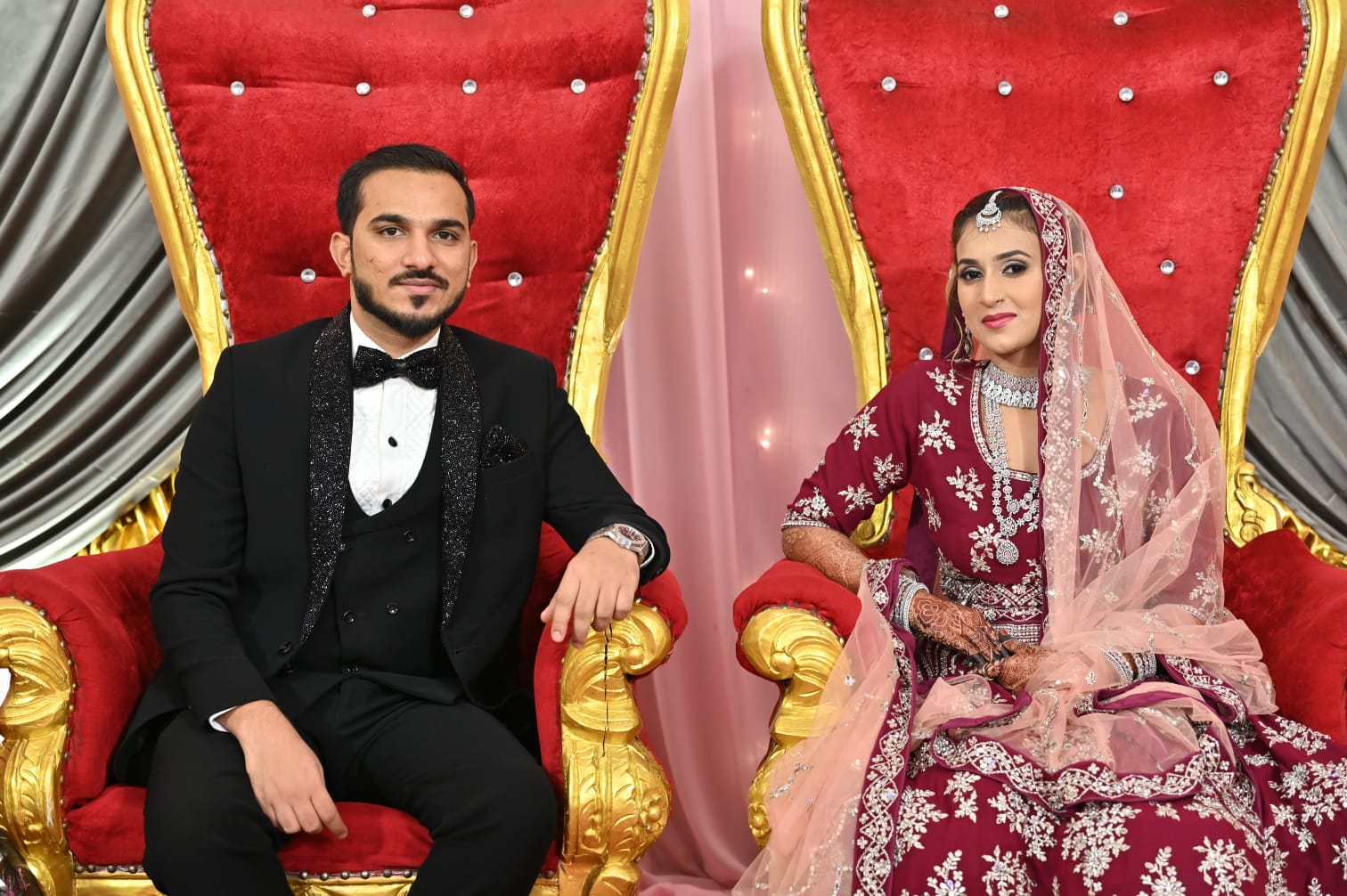
Hindu Marriage Registration Service in Bandra
The Hindu Marriage Registration Service in Bandra, established in 1955, is an important piece of legislation that oversees marriages between Hindus, Buddhists, Jains, and Sikhs in India. While I am unable to provide specific information about its applications in Bandra, Mumbai, I can provide you with a public summary of the act and its legend conditions.
Historical Background: The Hindu Marriage Act was legislated in 1955 to deliver a legal framework for Hindu marriages. It was intended to bring up to date and codify the diverse traditions and ceremonies supervising Hinduism marriages.
Hindu Marriage Registration Service in Bandra
Applicability: The act applies to Hindus by religion, including Buddhists, Jains, and Sikhs. It does not pertain to people of different religions.
Minimum Age: It establishes the minimum marriageable age at 18 for the bride and 21 for the groom, assuring the security of children.
Monogamy: The act enforces monogamy, enjoining people from maintaining better than one partner at a moment.
Solemnization: Marriage under this act can be solemnized by a preacher or through a court marriage procedure. The marriage must be registered with one sovereignty.
Grounds for Divorce: The act furnishes grounds for divorce, comprising affair, brutality, defection, and transformation to another person’s religion.
Maintenance: It summarizes requirements for supervision and maintenance to be rewarded to the husband in the issue of divergence or divorce.
Void and Voidable Marriages: The act categorizes specific marriages as void (weak from the beginning) or voidable (can be revoked under specific situations).
Freedoms and Duties: It characterizes the freedoms and obligations of husbands, containing heritage freedoms and the liberty to separate under specific occurrences.
Special Marriage: The act authorizes interfaith marriages under the Special Marriage Act, of 1954, which provides a lawful framework for marriages between two individuals of various beliefs.
Security of Women: The act comprises requirements to safeguard the liberties of women in marriages, such as the freedom to maintain and the freedom to remarry after divorce
Detention of Children: It deals with the possession, custody, and supervision of kids in cases of divorce or separation.
Conclusion:
The Hindu Marriage Act, of 1955, is a key permitted framework governing Hindu marriages in India, incorporating Bandra. It not only standardizes wedding methods but also precautions the liberties and curiosities of people within the nation of marriage. While the act is consistent across time, it’s important to talk with lawful experts or administrations in Bandra to comprehend its distinct applications and any local deviations in its performance.